When developing a product, focusing solely on the end goal is not enough. Everyone involved—from top management to front-line employees—must consistently monitor and evaluate the development process itself to drive continuous improvement.
Regardless of whether your product is successful, your development process may still need refinement. Factors such as efficiency, quality, and team collaboration often require attention, making it essential to analyze and optimize your procedures whether outcomes are positive or negative.
In this article, we’ll share actionable tips to help you avoid wasted time and resources. Since a company’s annual results depend on multiple variables, it’s vital to identify and address both minor and major bottlenecks in your product development cycle.
If you operate within IT or product development sectors, this guide is tailored for you. Discover practical strategies to enhance your team’s performance and ensure smoother project execution.
What is Process Performance in Product Development?
Process performance in product development refers to continuously monitoring and evaluating your internal strategies against industry standards and competitor benchmarks. This practice allows you to identify leaders in specific areas of the development lifecycle and adopt best practices to improve your workflow.
Also known as benchmarking, process performance monitoring involves a comprehensive approach to gathering and analyzing data related to products, workflows, and outcomes. This insight plays a crucial role in positioning your company competitively within your industry.
Process performance monitoring can be divided into four key stages:
- Identify key areas within the company where improvements or innovation are desired, such as manufacturing costs, error rates, product quality, and employee engagement.
- Select a targeted set of companies or sectors as benchmarks to compare performance and identify best practices relevant to the highlighted areas.
- Collect data and insights from the selected benchmark organizations focusing on your prioritized metrics.
- Analyze the differences between your company’s current standards and the benchmark data to pinpoint specific areas for improvement.
Identifying the Dilemma: Product Development Performance vs. Limited Resources
Managers often face challenges stemming from limited resources, which can constrain the output and effectiveness of a product development team. In smaller teams, collaboration is essential, as no individual can single-handedly advance the entire project forward. You typically have two approaches in such scenarios.
Option 1: Gain a deep understanding of the current situation and strategically prioritize tasks that align with your business’s most critical objectives. For example, in software development, focus your team’s efforts on building the most essential features of your SaaS product.
Option 2: Recognize that organizational inefficiencies frequently impact productivity. Many development teams struggle to meet quality expectations on tight deadlines due to a shortage of expert personnel. Hiring experienced product development consultancy can help bridge these gaps, ensuring projects progress smoothly and meet standards.
Because time, managerial capacity, and labor are finite, it’s crucial to choose the course of action that delivers the best results within a reasonable timeline. Building a skilled, dedicated consultancy team to act as an extension of your business can markedly enhance performance and scalability.
Tip 1: Manage Performance in the Value Chain Through Organization
Product development is a dynamic and interdependent environment with many intertwined departments along the value chain. To foster collaboration and eliminate counterproductive behaviors, organizations must establish clear, shared cross-functional responsibilities backed by measurable KPIs.
Setting transparent accountability encourages performance-oriented behavior that evolves throughout project stages. For instance, purchasing teams rely on precise technical drawings and pricing targets, which must be met to deliver new features on time and within budget.

[Source: Pixabay]
Tip 2: Strike a Balanced Tone in Your Process
Even though some projects are inherently unpredictable, you can forecast success and manage performance effectively by focusing on project lifecycle metrics. Outcomes such as customer satisfaction and financial returns correlate strongly with the efficiency of the process.
Efficiency involves analyzing daily inputs that influence outputs, making efficiency indicators crucial for predicting your product’s future performance. These “leading” or “input-oriented” KPIs vary across industries depending on market dynamics and organizational goals.
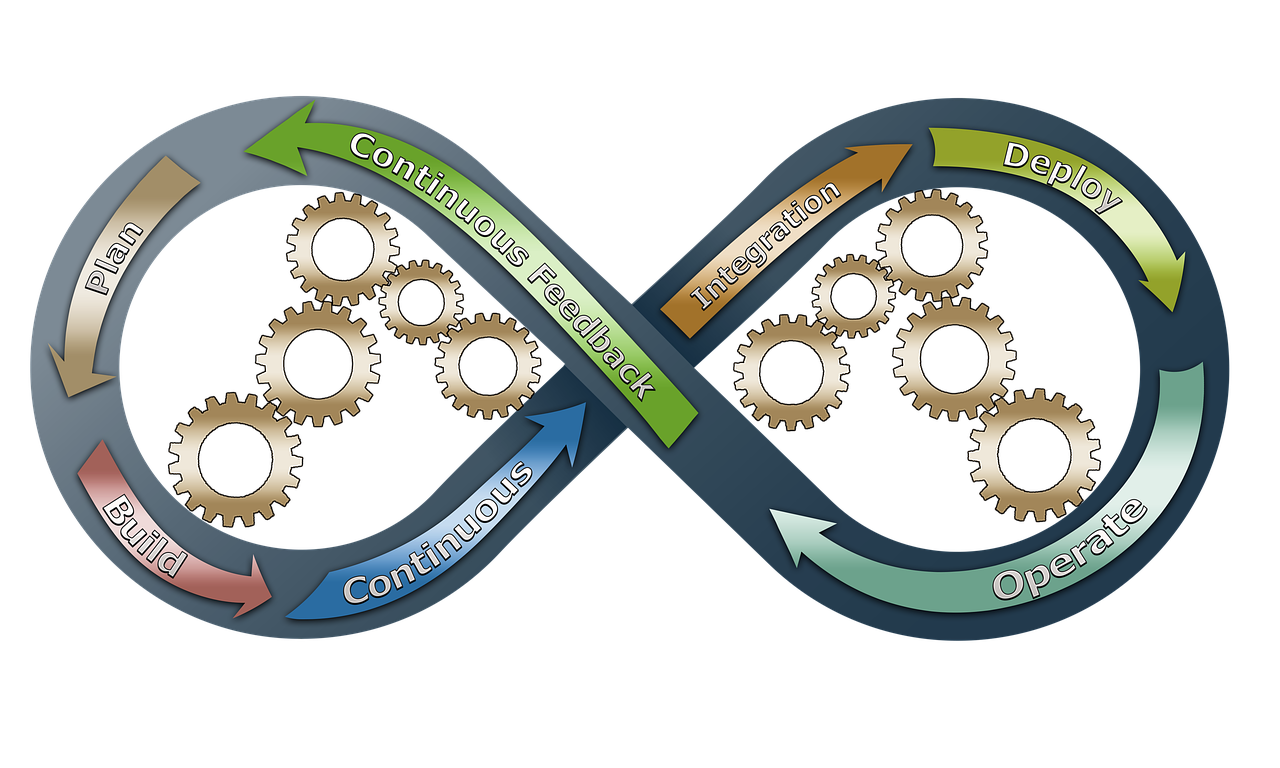
Keep in mind that relying on a single KPI provides an incomplete view; a combination of balanced KPIs is necessary to gain a comprehensive understanding and effective control over the process.
[Source: Pixabay]
Tip 3: Patching Weak Spots to Fuel Collaborative Behavior
In today’s data-driven environment, effective product management depends on quickly accessing and analyzing comprehensive data sets from all stages of development. Business intelligence (BI) tools play a vital role in improving data quality, consistency, and accuracy while enabling seamless collaboration across teams.
BI solutions integrate data analytics to reduce uncertainties in innovation, foster transparency, and strengthen team communication. Product development is often difficult to visualize holistically, so establishing a controlled environment with real-time insights can significantly enhance understanding and cooperative problem-solving.
Additional Insights: Leveraging Agile Methodologies to Boost Process Performance
Combining agile methodologies with continuous process performance monitoring further enhances product development efficiency. Agile frameworks emphasize iterative progress, frequent feedback loops, and adaptive planning, which align perfectly with the principles of performance measurement and improvement. By embedding regular sprint reviews, retrospectives, and cross-functional collaboration, teams can quickly identify bottlenecks and implement corrective actions. Integrating agile tools with business intelligence platforms creates a feedback-rich environment that fosters transparency and accelerates decision-making. Consequently, organizations become more responsive to market demands, reduce time-to-market, and maintain higher product quality, ultimately driving sustained competitive advantage in fast-evolving industries.
Final Word
Improving product development processes is a challenging yet rewarding journey that demands a creative and structured approach. Although these steps may seem complex initially, implementing them will lead to higher quality outputs, reduced waste, and more consistent achievements.