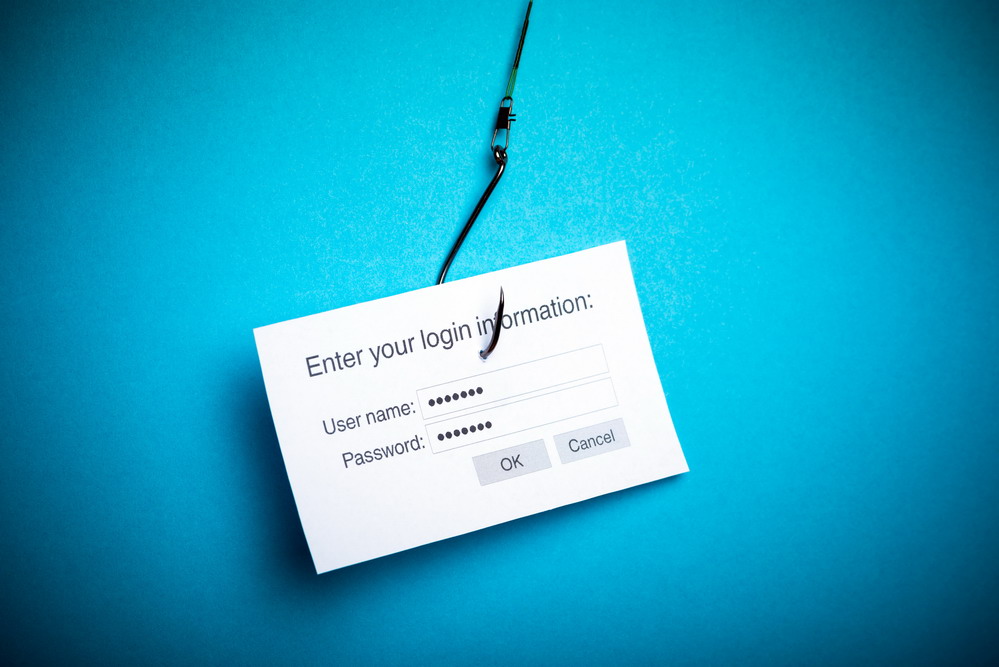
Despite widespread knowledge of their activities, threat actors still go after credentials and other sensitive information to gain access to networks. One of the primary tools for doing so is phishing. But organizations don’t have to stand pat and allow threat actors to continue taking advantage of them. With a comprehensive threat intelligence platform, they can get the jump on phishing to stop it in its tracks.
A Platform of Knowledge
A threat intelligence platform is a software platform built for knowledge. What kind of knowledge? Intelligence relating to what bad actors are doing or planning to do. A comprehensive platform includes a number of built-in tools for scanning and monitoring the dark web. In so doing, organizations and security teams can essentially spy on bad actors and their plans.
How Threat Intelligence Platforms Help
So, how does a threat intelligence platform actually help in the fight against phishing? First and foremost, continual monitoring of the dark web can reveal stolen credentials and data leaks at the earliest possible stages. If an organization discovers its own information on the dark web, it can take proactive steps to mitigate phishing attacks.
A threat intelligence platform can also monitor dark web marketplaces where stolen credentials are bought and sold. It can gather intelligence from threat actor chatter across dark web forums and chat platforms. All such intelligence can provide early warning when a phishing attack is imminent.
If you don’t think a proactive stance is necessary, you might want to check out IBM’s 2024 Threat Intelligence Index Report. The report clearly lays out the case that phishing attacks are growing and expanding. They are doing so because threat actors find them highly effective.
Attacks Are Also Becoming More Sophisticated
It should be pointed out that phishing attacks are also becoming more sophisticated. In a post published in October 2024, DarkOwl detailed the various methods phishing perpetrators are now utilizing.
DarkOwl began by explaining that threat actors relied mainly on easy-to-construct emails in the early days of phishing. But their tactics have evolved as security teams have rolled out strategies to stop the practice. Here are some of the other phishing techniques DarkOwl detailed in its post:
- Voice Phishing – Also known as vishing, voice phishing relies on direct phone calls or voicemail messages to solicit information. Callers prey on the trust of their victims to ply sensitive information.
- SMS Phishing – Smishing, the practice of phishing via text message takes advantage of victims who spend a lot of time on their phones. Text messages contain malicious links directing victims to websites where they give up sensitive information.
- QR Code Phishing – Utilizing QR codes for phishing purposes is known as quishing. Because codes can be embedded with just about any kind of data, actors can use the codes to direct victims to unwittingly divulge personal information.
- Deepfake Phishing – Deepfake phishing takes advantage of AI to create audio, video, and pictorial deepfakes that are subsequently deployed to convince victims they are dealing with legitimate people who need access to their information.
As phishing techniques evolve, they are getting more difficult to spot with the naked eye. This makes threat intelligence more important than ever before. Organizations and their security teams need to know what threat actors are up to before phishing attacks are launched. It is possible with a threat intelligence platform.
A threat intelligence platform is one of the most effective tools for getting a jump on threat actors. No matter what type of threat is being considered, intelligence is the key to stopping it before it comes to fruition.