When most people hear the term “caller ID spoofing,” they immediately think of robocalls and phone scams. That reaction is understandable — illegal spoofing has been a major nuisance for years. But the technology behind caller ID customization is not inherently malicious, and in 2026, millions of professionals and everyday users rely on it for perfectly legal and often essential purposes. In fact, the ability to control what number appears on an outgoing call has become a standard feature in modern VoIP and business communication tools.
In this article, we break down five of the most common legitimate reasons people use spoof call services today and explain why this technology is not going away anytime soon.
1. Small Business Owners Who Work with Personal Phones
This is by far the most widespread use case, and it affects millions of entrepreneurs, freelancers, and small business owners worldwide. When you run a business, clients expect to see your business number when you call them — not your personal cell phone number.
Consider the typical scenario: a plumber, real estate agent, or independent consultant lists their business number on their website and Google Business profile. That number might ring through to their personal phone, but when they call clients back, the client sees an unfamiliar personal number and ignores it. The business owner ends up leaving voicemails that never get returned because the client does not recognize the incoming number.
Caller ID spoofing solves this problem instantly. By displaying the business number on all outgoing calls, the business owner maintains a professional and consistent identity. When the client sees the same number, they originally called, they pick up. It is a simple technological solution to a real-world communication problem that every small business faces.
This is particularly valuable for businesses that operate across multiple phone lines, remote employees, or seasonal workers. Rather than purchasing expensive multi-line phone systems, a small team can use caller ID customization to present a unified business presence from any device.
2. Healthcare Professionals Protecting Their Privacy
Doctors, therapists, dentists, and other healthcare providers regularly need to call patients from outside the office. A surgeon calling to check on a patient after a procedure, a therapist following up on a crisis call, or a family doctor returning a message on a Saturday afternoon — these are routine parts of medical practice that often happen from personal phones.
The problem is obvious: once a patient has your personal cell number, professional boundaries are compromised. Patients may call at inappropriate hours, share the number with others, or use it in ways that create awkward situations for the provider.
By using a caller ID service that displays the clinic or practice number instead of their personal number, healthcare workers can fulfill their duty of care without sacrificing their privacy. When the patient calls back, they reach the office voicemail or reception desk, not the doctor’s personal phone at midnight.
In many jurisdictions, healthcare privacy regulations encourage this separation between personal and professional communication channels. Displaying a practice number rather than a personal number helps maintain the kind of clear boundaries that regulatory bodies recommend.
3. Returning Calls with the Right Number in Multi-Location Businesses
Any business that operates from multiple locations, phone numbers, or departments faces a caller ID headache. A customer calls the Toronto office and leaves a message. The call gets routed to a team member in Vancouver, who calls back. The customer sees a Vancouver area code they do not recognize and lets it ring to voicemail.
This scenario plays out millions of times a day across businesses of all sizes. Call centers, law firms with branch offices, franchises, and distributed sales teams all struggle with the same issue. The solution is to ensure that return calls display the number the customer originally dialed — regardless of which physical location or device the employee is using.
Modern VoIP platforms and caller ID customization tools make this straightforward. Employees select which business number to display based on which customer they are calling back. The result is seamless experience for the customer and significantly higher callback answer rates for the business.
Studies consistently show that people are far more likely to answer calls from local area codes or numbers they recognize. For businesses operating across multiple regions, caller ID customization is not a luxury — it is a basic requirement for effective communication.
4. Personal Privacy and Safety
Not every use case for caller ID spoofing is business-related. Individuals have legitimate reasons to control what number appears when they place a call.
People selling items on online marketplaces like Facebook Marketplace, Kijiji, or Craigslist often need to call or text potential buyers. Revealing your real phone number to a stranger on the internet carries obvious risks. Using a different caller ID for these interactions keeps your actual number private while still allowing normal communication.
Similarly, anyone dealing with a stalking or harassment situation may need to make phone calls without revealing their current number. Domestic violence organizations specifically recommend caller ID masking as a safety tool for individuals who need to contact landlords, employers, or government agencies without exposing their location or identity to an abuser who might be monitoring their communications.
Online dating is another common scenario. When moving a conversation from an app to a phone call, many people prefer not to share their real number immediately. A temporary or masked caller ID provides a layer of protection during the early stages of getting to know someone.
5. Journalists, Investigators, and Researchers
Professionals who rely on phone communication as part of their investigative work often need to control their outgoing caller ID. Journalists working on sensitive stories may need to reach sources without revealing their newsroom number, which could tip off the subject of an investigation. Private investigators conducting legitimate background checks or witness interviews use alternate caller IDs to avoid alerting the person they are researching.
Academic researchers who conduct phone-based surveys or interviews sometimes use institutional caller IDs rather than personal numbers, both for credibility and for practical reasons — participants are more likely to answer a call from a university number than an unknown personal cell phone.
In all of these cases, the caller ID customization serves a specific professional function. The calls themselves are lawful, and the purpose of masking the number is not to deceive the recipient but to protect the caller’s identity or present a more appropriate professional identity.
Is Caller ID Spoofing Legal?
This is the question everyone asks, and the answer is straightforward: yes, caller ID spoofing is legal in the United States, Canada, and most other countries, as long as it is not done with intent to defraud, cause harm, or obtain anything of value through deception.
In the United States, the Truth in Caller ID Act of 2009 specifically states that it is illegal to transmit misleading or inaccurate caller ID information “with the intent to defraud, cause harm, or wrongfully obtain anything of value.” The key phrase is “with the intent to defraud.” Using a business number, protecting your privacy, or displaying an alternate number for legitimate purposes does not violate this law.
Canada’s CRTC has similar rules. The Telecommunications Act prohibits the use of spoofed caller IDs for fraudulent or malicious purposes but does not restrict legitimate business or personal use.
The European Union regulates caller ID under its electronic communications framework, and while specific rules vary by country, the general principle is the same: legitimate use is permitted, fraudulent use is not.
How Technology Works Today
Modern caller ID spoofing services operate through VoIP (Voice over Internet Protocol) infrastructure. When you place a call through a service like NinjaSpoof, the platform routes your call through a VoIP carrier and sets the outgoing caller ID to the number you specify. The call then connects to the regular phone network, and the recipient’s phone displays the custom number.
Technology has evolved significantly in recent years. Early spoofing services required you to call an access number and punch in codes before your call was connected. Today’s services work directly through web browsers or mobile apps, with calls placed in seconds. Many platforms now use WebRTC — the same technology that powers Google Meet and Zoom — to handle the voice connection entirely within the browser, with no downloads or apps required.
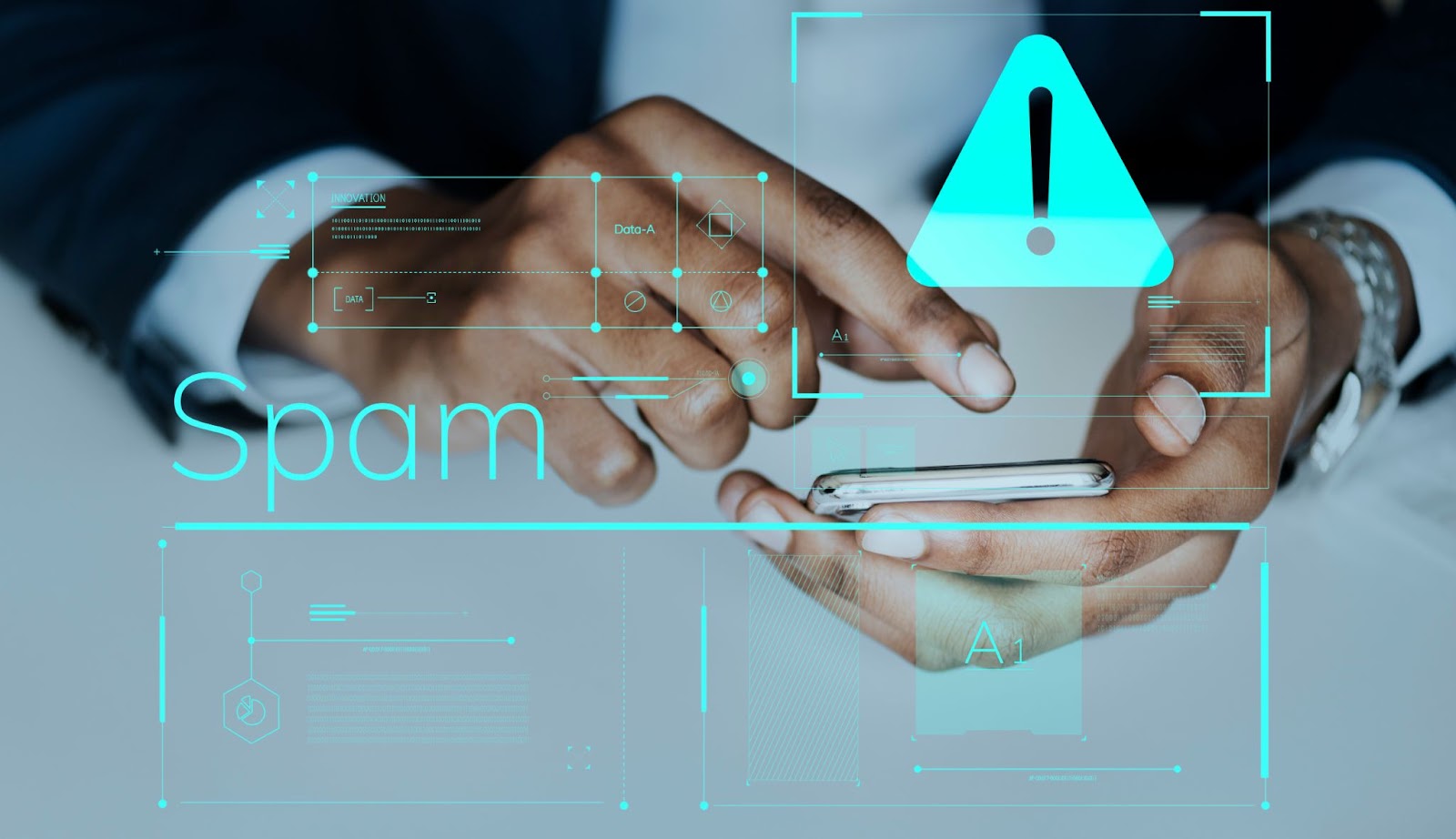
Carriers have also implemented STIR/SHAKEN, an authentication framework that cryptographically signs caller ID information. This does not prevent spoofing, but it allows carriers to flag calls where the caller ID has not been verified by the originating carrier. Calls from reputable VoIP providers that implement proper attestation still go through normally, while calls from suspicious sources may be marked as “Spam Likely” or blocked.
The Bottom Line
Caller ID spoofing technology exists on a spectrum. At one end are criminals using it to impersonate banks and government agencies. At the other end there are small business owners, healthcare workers, and safety-conscious individuals using it for entirely reasonable purposes. The technology itself is neutral — what matters is how it is used.
As VoIP continues to replace traditional phone systems and remote work becomes the permanent norm for millions of professionals, the demand for caller ID customization is only growing. The tools are getting better, the authentication frameworks are getting smarter, and the line between legitimate use and abuse is becoming easier for carriers to enforce. For anyone who needs to control how their outgoing calls appear, 2026 offers more options — and more safeguards — than ever before.