There are hundreds of games out there that promise to be fun, addictive, or “good for your brain.” But if you ask people who’ve played it for years, one game consistently rises to the top. For the full picture, read 7 best website builders 2023 each tried and tested.
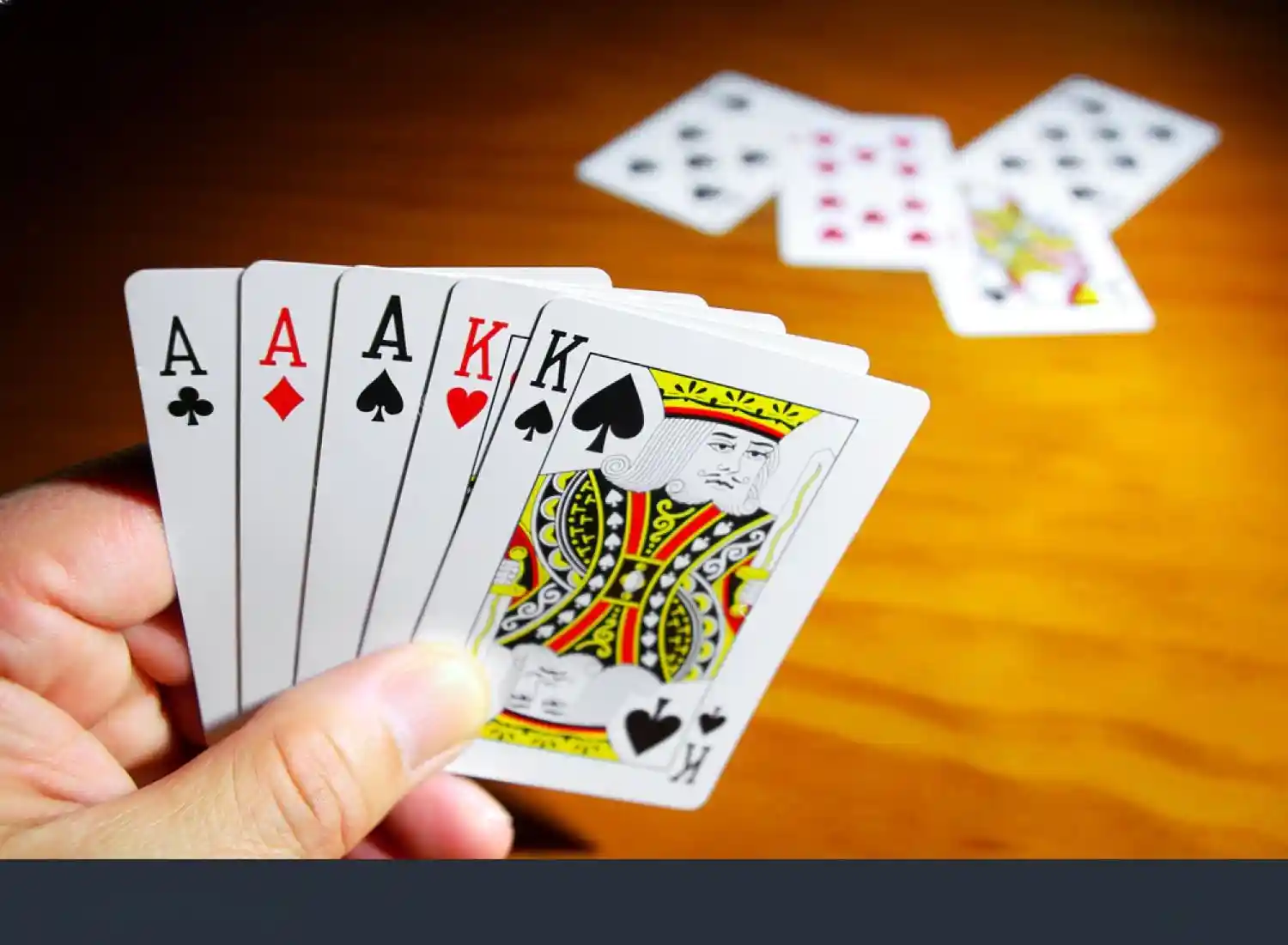
Contract bridge.
It’s not new, and it doesn’t have flashy animations. But it offers something most modern games can’t:
– A lifetime of strategic depth
– Real partnerships and communication
– A structured way to test and improve your thinking
– And now—thanks to platforms like [Bridge Champ] (https://bridgechamp.com/tournaments/)—a global tournament community you can join in minutes
Here’s what makes bridge so compelling, especially now that it’s online.
It’s Always New
There are 635 billion possible bridge hands. No two deals are the same. Even the best players in the world see new problems every week.
If you like puzzles, strategy games, or systems thinking, bridge gives you a fresh challenge **every time you sit down**.
## How to Play Bridge With a Partner
Unlike solo games, bridge is cooperative. You and your partner must communicate using only structured bids—no talking, no hints, no chaos.
It’s a rare blend of trust, logic, and teamwork—and when it clicks, it’s incredibly satisfying.
There’s a Real Community
On platforms like Bridge Champ, you can join tournaments anytime. Some are solo. Some are with partners. But all are clean, fair, and centered on respectful play.
You’ll meet players from all over the world, not just usernames, but real people trying to improve, just like you.
It Grows with You
New to the game? Start with a short tournament. Experienced player? Try longer formats or test your skills in IMP or Match point play.
Bridge adapts to your level but always keeps raising the bar.
If you’re looking for a new kind of game—one that respects your brain and your time—join a tournament today at [Bridge Champ] (https://bridgechamp.com/tournaments/). You might just find the game you didn’t know you’d been missing.